



Hello fellow strange pilgrims, today’s piece is our first Flash CNF selection. I was mesmerized by the gentleness present here. By the end of it, I felt like I was deep in a snowfield and yet inexplicably warm.



The doorway to the last Ice Age is a roofless granite cave. My father often took me there in the unsettled Scottish summers, but I loved exploring it most when snow came swirling in from the North Sea. When I was a child, we’d walk the path that followed the infant River Dee, flanked by birches and rowans. The trail steepened, puzzled over stone blocks, then narrowed to a deep-cut notch. In spring, the gorge grew lush with prehistoric-looking ferns and mosses. In winter, its stone floor was treacherous with ice. A boulder-choked gap was just wide enough for us to squeeze through.
The passageway opened into an amphitheatre of rock. Vaulted walls, carved and smoothed by water, soared on either side. It was like standing in a chapel open to the sky. This chamber is called Burn o’Vat; the river sculpted it at the close of the long cold. A waterfall at the far end whispered rush-hush in summer, but it was locked in ice by the year’s waning.
The burn dwindles and thins in drought summers now. But the gorge bears witness to the ancient force of water. Torrents unleashed by melting icesheets whirled boulders round and round in a borehole, drilling down through bedrock. They have hulled out the hill, left it echoing and hollow.
At New Year, icicles bristled from the Vat’s overhangs, fangs sprouting from walls of stone. Dad would take me to collect them, breaking their brittle stems. Snow creaked underfoot as we walked back through January dusk, the icicles nestling in our gloved palms. The cold sharpened the starlight. I longed to take the icicles home and hoard their crystalline beauty in our kitchen freezer, to see them glittering on drizzly days as I waited for the snow to return. I’d climb into the back seat of Dad’s Britoil company car; the ignition coughed and the heaters whirred. The icicles began to weep.

Tell us your origin story as a writer. When did you begin? What first drew you to writing as an instrument for asking questions that can’t be explored any other way?
YVONNE REDDICK: I started writing rhymes when I was a small child!

What does your writing routine look like? Do you thrive in structure or wildness? And when you begin a piece of writing, what tends to announce itself first: a voice, an image, an unease, a philosophical conundrum?
YR: My process for poetry is very different from my process with prose. I write poems the way I'd dash to the shops or sprint to meet a deadline! Writing prose, for me, is more like a long-distance trek, or trying to scale a mountain where the air is thin. My view is that my best work comes from tensions and dilemmas: can we connect with nature without damaging it? Can we stand up for our rights and the rights of others, without causing additional harm in the process? Can writing solve any practical problems, or is its role simply to help us to see, and think, differently?
Most artists are preoccupied by certain obsessions: lust, longing, death, the self. What persistent preoccupation—emotional, intellectual, or spiritual—threads through your work? Are there motifs, themes, or impulses you’ve tried to abandon but that keep returning, insisting on their relevance?
YR: Nature is an obsession for me! I don't view human beings as set apart from other living creatures. Some people don't like hearing that, but I think it's intrinsic to ecological thinking. I'm also interested in women's place in the outdoors, and how different genders may be treated differently when we head outside.
If not a writer, who would you be?
YR: I'd be a hiking guide, or an ecologist.
What’s the best piece of writing advice you’ve ever received? Alternatively/additionally, what’s something you’d like to offer as advice to emerging writers trying to make a mark?
YR: Write about what you've been avoiding. Write until you feel like you're handling a live coal. The very topics you've been apprehensive about confronting, may yield your most distinctive and original work.
What are you working on now and how is it trying to ruin your life (in a good, necessary way, of course)?
YR: I'm working on a nonfiction book called Fire on Winter Hill, about my life in the hills with my Dad, and his work in the oil industry. I'm exploring the tensions between his love of nature and the pollution caused by the industry he worked in. I see the impacts of climate change all around me when I'm out in the mountains, and I'm complicit in climate change too. “The Burn” is the opening movement of my work in progress, and I'm really pleased that it's found such a good home.
Who are the artists—writers, filmmakers, thinkers, internet oddities—that have shaped your sense of narrative? How have they rearranged the way you see the world on the page?
YR: I keep returning to the work of Sudeep Sen, Helen Macdonald, Chloe Dalton and Robert Macfarlane. They have ways of relating to climate, nature and other creatures that I've found unique and illuminating.
Please recommend a piece of art (a painting, a film, an album, anything that's not a piece of creative writing, really) that you love and would like everyone to experience.
YR: I'd love everyone to read Helen Mort’s Substack, “A Time and a Place.”
Also, please read Jayant Kashyap's poetry pamphlet Notes on Burials. It's wonderful.
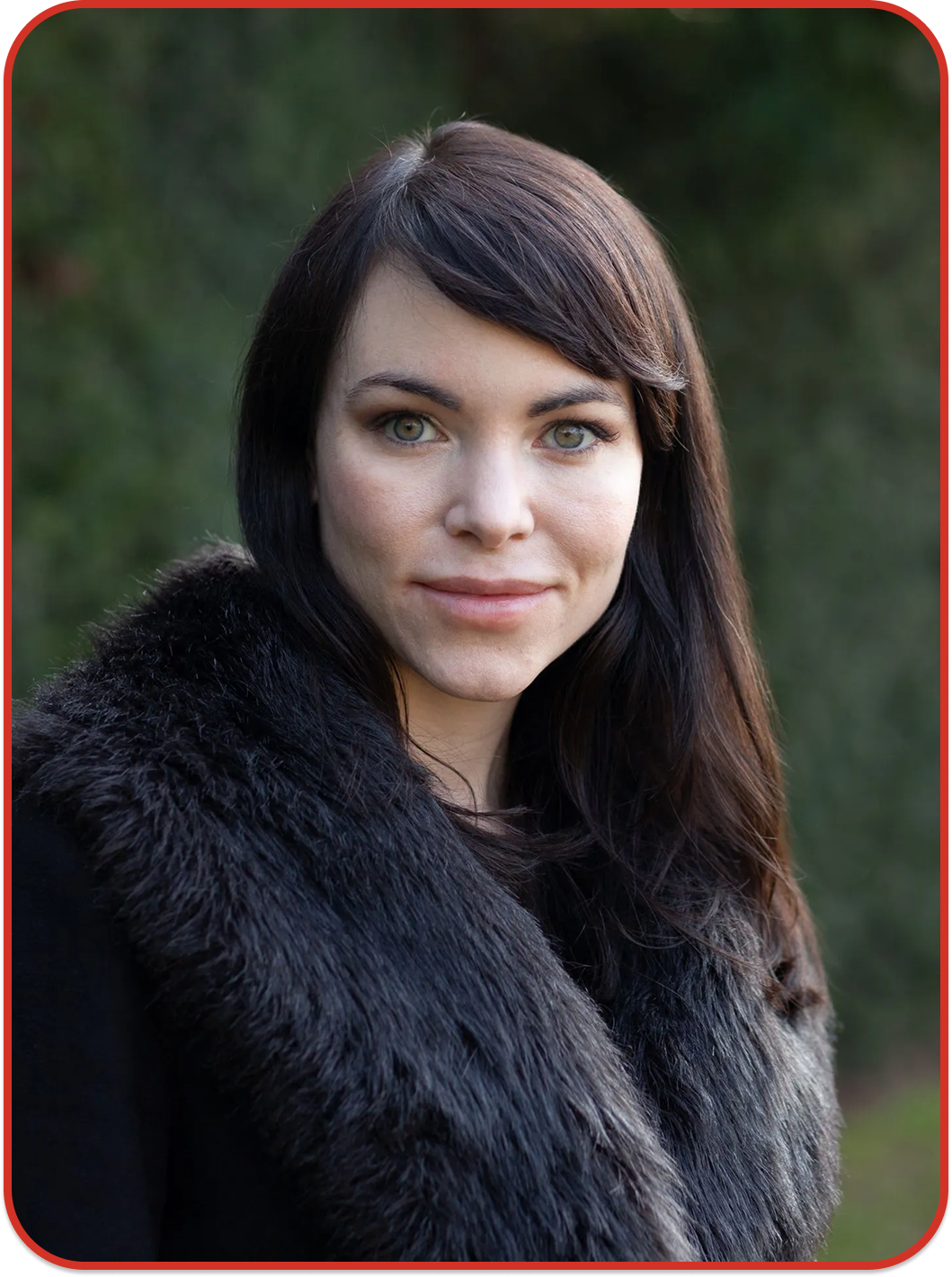
YVONNE REDDICK is a writer, film producer and ecopoetry scholar. Her latest books include Burning Season (Bloodaxe, 2023) which won the Laurel Prize for Best First Collection of Ecopeotry and was shorlisted for the Saltire and ASLE book awards. Her latest documentary is Searching for Snow Hares, directed and filmed by Aleks Domanski.
Note on Art
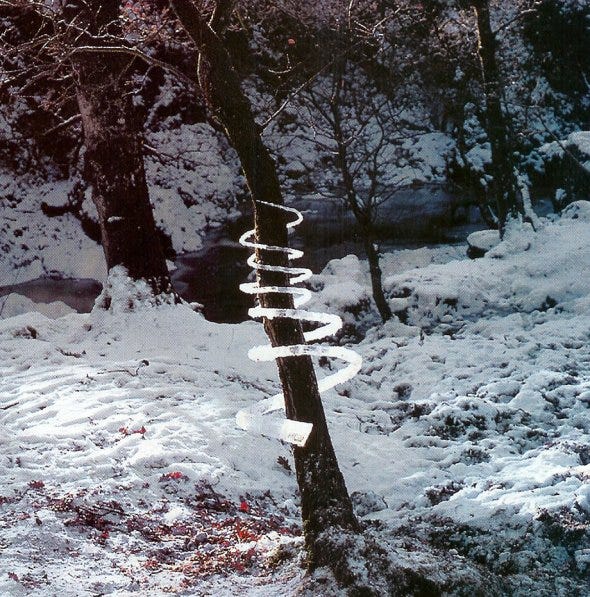
We’ve paired this piece with Andy Goldsworthy’s Reconstructed Icicles (2010)1. Goldsworthy works in the Scottish countryside, making sculptures from ice and stone that last only hours. He says2:
It’s not about art. It’s just about life and the need to understand that a lot of things in life do not last. And to understand the nature of things, I have to understand the nature of change. And I cannot just work with stone or the more permanent materials. I need to work with leaves and ice and snow and mud and clay and water and the rising tide and the wind and all these.
This flash essay works with the same materials, evoking something transcendent and delicately painful in the process.
Image: Reconstructed Icicles © Andy Goldsworthy. Used for editorial commentary purposes only. All rights reserved.
Goldsworthy, Andy. “Sculptor Turns Rain, Ice And Trees Into ‘Ephemeral Works.” Interview by Terry Gross. Fresh Air, NPR, 8 Oct. 2015
This is stunning! The mention of the Britoil company car is such a jolt amidst the melodic and flowing prose that comes before. I found it instantly intriguing and was very glad to read that a book is in the works. I also love the advice about writing like you’re working with hot coals - very wise!
As I sit in a library in the freezing cold of New Hampshire reading this, I strangely feel comfort and warmth. Thanks for this. Starting my day off right.